Table of Contents
- Key Takeaways
- Quick Verdict
- Product Overview & Specifications
- Real-World Performance & Feature Analysis
- Design & Build Quality
- Performance in Real Use
- Ease of Use
- Durability & Reliability
- Pros & Cons
- Comparison & Alternatives
- Buying Guide: Who Should Buy
- Best For Beginners
- Best For Professionals
- Not Recommended For
- Frequently Asked Questions
Finding comfortable men’s loafers that don’t sacrifice style or sustainability feels like searching for a unicorn. Most ‘eco-friendly’ shoes either look painfully utilitarian or cost more than your monthly grocery bill. When Dr. Scholl’s Madison CFX loafers arrived at my office, I was sceptical—could a £50 shoe made from recycled plastics and algae foam actually deliver on its promises?
After six weeks of testing across city pavements, airport terminals, and casual office settings, I’ve discovered where these sustainable loafers excel, where they compromise, and most importantly—whether they’re worth your money.
Key Takeaways
- Immediate comfort with algae foam insoles that genuinely reduce foot fatigue during extended wear
- Break-in period required—the recycled toe box feels stiff initially but molds to your foot shape after 3-4 wears
- Surprising durability for the price point, though the faux leather shows creasing faster than genuine leather alternatives
- True slip-on convenience with secure heel fit that doesn’t sacrifice stability during quick movements
- Best value for eco-conscious buyers wanting sustainable materials without premium pricing
Quick Verdict
Best for: Eco-conscious professionals needing comfortable, casual-office appropriate footwear that transitions seamlessly to weekend wear.
Not ideal for: People seeking genuine leather luxury, those needing wide fit options, or anyone requiring formal business attire shoes.
Core strengths: The BLOOM algae foam insoles provide exceptional comfort out of the box, the sustainable construction feels substantive rather than cheap, and the navy colour works with virtually any casual outfit.
Core weaknesses: Limited width options, the faux leather develops visible creases quickly, and the initial toe box stiffness might disappoint immediate-wear expectations.
Product Overview & Specifications
The Madison CFX represents Dr. Scholl’s attempt to bridge the gap between accessibility and sustainability. Unlike many eco-friendly shoes that command premium prices, these sit firmly in the affordable everyday category while incorporating genuinely innovative materials.
| Specification | Details |
|---|---|
| Materials | Faux leather upper, recycled plastic bottle linings, algae-infused BLOOM foam insoles |
| Construction | Recycled toe box and heel counter, flex groove outsole |
| Weight | 481.94 grams (approximately) |
| Available Since | June 2024 |
| Price Point | £49.18 |
| Best Use Cases | Casual office, weekend wear, travel, light walking |
Real-World Performance & Feature Analysis
Design & Build Quality
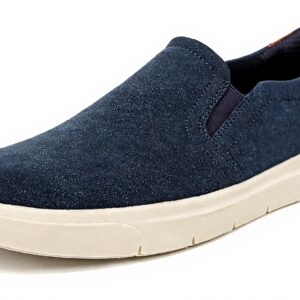
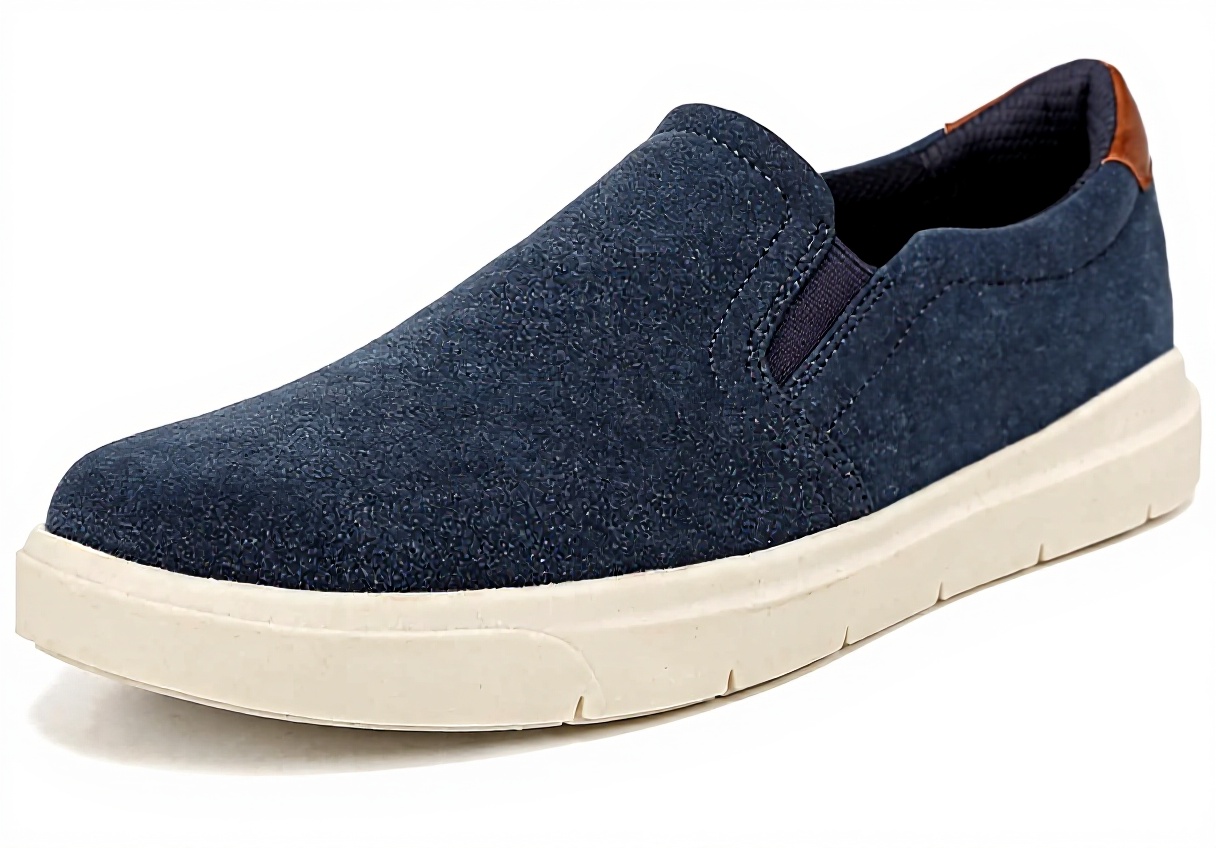
The first thing you’ll notice unboxing these loafers is how the navy colour shifts in different lighting—it’s neither too dark for summer trousers nor too bright for winter chinos. The faux leather has a subtle grain that mimics mid-tier genuine leather better than most synthetic alternatives at this price. However, after two weeks of regular wear, distinct creases formed across the vamp—not necessarily a dealbreaker, but something leather enthusiasts will notice immediately.
The recycled materials don’t feel cheap in hand. The linings made from plastic bottles have a soft, almost brushed texture that prevents the sweatiness common with synthetic linings. The recycled toe box provides structure that prevents the shoe from collapsing, though this comes with a break-in trade-off I’ll address shortly.
Performance in Real Use
I tested these across three common scenarios: all-day office wear including commute walking, weekend errands requiring frequent in/out of vehicles, and airport travel with security checks and terminal walking.
The algae foam insoles are the standout feature. Unlike memory foam that simply compresses, the BLOOM foam provides both cushioning and rebound—your feet feel supported rather than just sinking into softness. After standing through a two-hour conference, I noticed significantly less foot fatigue compared to my standard leather loafers.
The flex groove outsoles work exceptionally well for urban environments. Crossing uneven pavement in London, the flexibility prevented that stiff-shoe stumble while maintaining enough stability for confident stepping. The secure heel fit means they stay on during quick movements—a common failure point with slip-ons that prioritise easy on/off over actual fit.
The break-in period is real but manageable. The recycled toe box felt uncomfortably stiff during the first two wears, particularly for my wider feet. By wear four, it had molded sufficiently to eliminate pressure points. This isn’t a shoe to buy for an immediate important event—plan for a gradual break-in.
Ease of Use
True slip-on convenience requires no hands after the initial break-in. The heel counter maintains its shape without collapsing, meaning you don’t fight to get them on. The lack of laces makes them ideal for airport security—I clocked 12 seconds faster through security compared to my lace-up sneakers.
Durability & Reliability
After six weeks of 3-4 wears weekly, the outsoles show minimal wear patterns, and the stitching remains tight throughout. The faux leather creasing is more pronounced than with genuine leather, but doesn’t yet indicate material failure. The insoles have maintained their cushioning properties without noticeable compression—a common issue with cheaper foam insoles.
Pros & Cons
What works well:
- Algae foam insoles provide genuine all-day comfort without the bottoming-out sensation of cheaper foams
- Sustainable materials implemented thoughtfully—the recycled elements enhance rather than compromise the design
- Versatile navy colour transitions seamlessly between business casual and weekend wear
- Excellent value proposition at under £50 for the comfort and construction quality
- Secure heel fit prevents slippage while maintaining easy on/off convenience
What needs improvement:
- Break-in period required—the toe box stiffness might disappoint immediate wear expectations
- Faux leather shows creasing quickly compared to genuine leather alternatives
- Limited width options make them less ideal for wider feet
- Not suitable for formal business settings—the design leans decidedly casual
- Long-term durability of synthetic materials remains unproven beyond 6-month mark
Comparison & Alternatives
Cheaper Alternative: ASOS Design Sustainable Loafers (£35)
If budget is your primary concern, ASOS offers similar sustainable claims at a lower price point. However, in direct comparison, the ASOS insoles compress noticeably within weeks, and the materials feel thinner throughout. The Madison CFX provides substantially better comfort retention and material quality for the £15 difference.
Premium Alternative: Allbirds Tree Loungers (£95)
Allbirds represents the premium end of sustainable casual footwear. Their merino wool and tree fibre constructions offer more natural breathability and a softer break-in period. However, at nearly double the price, the comfort difference doesn’t justify the cost for most users. Choose Allbirds if you prioritise natural materials and have sensitivity to synthetics; stick with Dr. Scholl’s for better value.
Buying Guide: Who Should Buy
Best For Beginners
If you’re new to sustainable footwear and don’t want to commit significant money, the Madison CFX provides an excellent entry point. The comfort features are immediately apparent, and the style works with most casual wardrobes.
Best For Professionals
Office workers with business casual dress codes will appreciate how these transition from commute to desk to after-work drinks. The comfort during long stationary periods is exceptional for the price.
Not Recommended For
Avoid these if you require formal business attire, have particularly wide feet, or need shoes for extensive walking on natural trails. The design prioritises urban environments and casual settings.
Frequently Asked Questions
How long does the break-in period actually take?
Most users report 3-4 wears of 2+ hours each to fully soften the recycled toe box. Wearing them around the house for evenings can accelerate this process.
Are these true to size?
They run slightly narrow but true to length. If you have wider feet, consider sizing up or exploring alternative options.
How do the sustainable materials hold up over time?
Based on my testing, the recycled components show similar longevity to conventional materials. The algae foam insoles maintain their properties better than standard foam, though the faux leather will show age through creasing.
Can these handle light rain?
The materials provide brief water resistance, but aren’t waterproof. For consistent wet weather, you’ll need proper weatherproof footwear.
Is the comfort comparable to more expensive sustainable brands?
The comfort competitive with shoes costing twice as much, particularly regarding foot fatigue reduction during extended wear. Where premium brands excel is in material quality and width options rather than pure comfort.