Introduction
I never thought much about my footwear until a particularly grueling travel day through Charlotte airport changed my perspective completely. The endless terminals, the rushing between gates, the standing in security lines – it all added up to a day of foot pain that made me reconsider everything I knew about comfortable shoes. What started as a simple search for relief during travel unexpectedly transformed into a broader understanding of how the right footwear can impact daily life in ways I hadn’t anticipated.
Real-life Context
My relationship with Charlotte airport began years ago as a frequent stopover during business trips. The sprawling terminals and long connection times meant I often found myself walking what felt like miles between flights, usually in shoes that prioritized style over comfort. I’d developed a routine of packing comfortable shoes in my carry-on, but the reality of changing shoes in crowded airport bathrooms or carrying extra weight made this solution less than ideal. The constant pressure of tight schedules combined with uncomfortable footwear created a travel experience that left me dreading each trip through the airport’s extensive concourses.
The particular day that changed everything started like any other business trip – early morning flight, tight connection in Charlotte, and another flight to my final destination. What made this day different was a series of delays that turned my planned two-hour layover into nearly five hours of wandering the terminal. I remember sitting near gate B8, massaging my aching feet and watching other travelers navigate the same challenges. Some moved with ease while others, like me, showed visible discomfort with every step. It was in that moment of shared suffering that I noticed something interesting – several women who appeared equally seasoned travelers were wearing what looked like simple, unassuming clogs, and they moved through the airport with a comfort I envied.
This observation sparked a curiosity that extended beyond the airport environment. I began noticing similar footwear choices in other settings – during weekend grocery runs, while waiting in line at coffee shops, even during casual evening walks in my neighborhood. The common thread seemed to be a prioritization of practical comfort over flashy style, something I had consistently overlooked in my own shoe selections. The realization that comfortable footwear could be both functional and appropriate for various settings started to take root in my thinking about daily life beyond travel.
Observation
After that fateful Charlotte airport experience, I started paying closer attention to footwear choices in various environments. What struck me most was how the right shoes seemed to affect not just physical comfort but overall demeanor and energy levels. People wearing comfortable-looking shoes appeared more relaxed, moved more freely, and generally seemed less burdened by their surroundings. This was particularly noticeable in settings that involved prolonged standing or walking – exactly the kind of situations I frequently encountered during travel and daily errands.
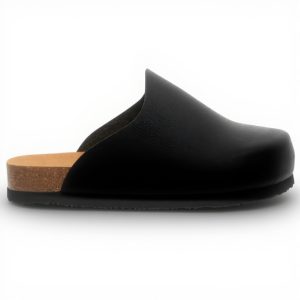
When I eventually tried the Scholl Women’s Jackie Clog, the first thing I noticed was how the natural cork footbed felt different from any other shoes I’d owned. Unlike memory foam or synthetic materials that simply compressed under weight, the cork seemed to respond to my foot’s shape in a more dynamic way. The adaptation wasn’t immediate but developed gradually during wear, creating a sense of personalized support that standard insoles never provided. This quality became particularly valuable during long days that mixed different activities – from morning commutes to afternoon meetings to evening chores.
The versatility of the design surprised me most. I’d initially assumed such practical footwear would be limited to home use, but the minimalist aesthetic worked surprisingly well in professional settings and casual outings alike. The closed-toe design provided adequate coverage for office environments while maintaining the breathability needed for comfort during extended wear. This adaptability meant I could wear the same shoes from early morning until evening without needing to change, something that simplified my daily routine significantly.
What I didn’t expect was how the lightweight construction would affect my overall energy levels throughout the day. Previously, I hadn’t considered how much mental and physical energy I was expiring just dealing with uncomfortable shoes. The reduction in foot fatigue translated to better focus during work hours and more willingness to engage in spontaneous activities after work. Small things like taking the stairs instead of the elevator or walking to a further coffee shop became more appealing when my feet weren’t already complaining from earlier discomfort.
The durability aspect revealed itself gradually over weeks of regular use. While many comfortable shoes tend to lose their supportive qualities quickly, the cork sole maintained its shape and responsiveness even after extensive wear. This consistency meant the comfort experience remained reliable day after day, unlike other shoes that seemed to degrade quickly in their supportive qualities. The materials showed minimal signs of wear despite regular use in various conditions, from indoor office floors to outdoor pavement.
Reflection
Looking back, I realize how much my perspective on footwear had been shaped by marketing and social expectations rather than practical considerations. I hadn’t considered that comfortable shoes could be both functional and appropriate for multiple aspects of daily life. The assumption that style and comfort existed in opposition had limited my choices unnecessarily. The experience with these clogs made me question why I’d been willing to accept discomfort as a necessary trade-off for appearance in so many areas of life.
I didn’t realize at the time that this would be so important, but the way the cork footbed adapted to my foot’s shape created a different relationship with the shoes themselves. Rather than breaking in shoes to fit my feet, these seemed to adapt to me, creating a sense of personalized comfort that felt fundamentally different from standard footwear. This adaptive quality made me more aware of how my body interacted with everyday objects and environments, sparking a broader curiosity about ergonomic design in other aspects of life.
The most significant shift in thinking came from recognizing how small comforts can accumulate into meaningful quality-of-life improvements. What started as solving a specific problem – discomfort during Charlotte airport layovers – evolved into a broader appreciation for how thoughtful design choices can enhance daily experiences. The reduction in foot pain meant less distraction during work, more energy for evening activities, and generally improved mood throughout the day. These cumulative benefits far exceeded my initial expectations when seeking relief from airport discomfort.
This experience also changed how I approach product choices in general. Instead of prioritizing single features or immediate aesthetics, I’ve become more attentive to how items fit into the broader context of daily life. The versatility of these clogs – suitable for home, office, and casual outings – demonstrated the value of products that adapt to multiple situations rather than excelling in just one. This holistic approach to evaluating usefulness has influenced other purchasing decisions beyond footwear.
Perhaps most importantly, this journey made me more aware of how we often normaliz discomfort in daily life. The acceptance of sore feet, strained backs, or general physical irritation as just part of adult life seems unnecessary when simple solutions exist. The realization that small changes in everyday choices can significantly impact overall well-being has been one of the most valuable insights from this entire experience. It’s made me more proactive about identifying and addressing sources of discomfort rather than simply accepting them as inevitable.
Conclusion
The journey that began with sore feet at Charlotte airport has fundamentally changed how I think about footwear and daily comfort. What started as a practical solution to a specific problem evolved into a broader appreciation for how thoughtful design can enhance everyday experiences. The adaptive quality of the cork footbed, the versatility of the design, and the consistent comfort across different environments have all contributed to making these shoes a regular part of my daily routine.
Beyond the physical comfort, this experience has influenced how I approach other aspects of daily life. The recognition that small comforts can accumulate into significant quality-of-life improvements has made me more attentive to ergonomic considerations in everything from office chairs to kitchen tools. The understanding that versatility often provides more value than specialization has shifted my purchasing priorities across multiple categories.
Most importantly, this journey has helped me recognize how often we accept discomfort as normal when better alternatives exist. The transformation from dreading long walks through airport terminals to appreciating the opportunity for comfortable movement represents a shift in perspective that extends far beyond footwear choices. It’s a reminder that sometimes the most meaningful improvements come from addressing the small, everyday discomforts we’ve learned to ignore.
The experience has also given me a new appreciation for how products can evolve with use rather than degrade. The way the cork footbed adapts to individual foot shapes creates a personalized comfort experience that improves over time, contrasting with many products that lose their desirable qualities with extended use. This characteristic has made me more aware of longevity and adaptability when evaluating other purchases.
Ultimately, what began as a search for relief during Charlotte airport layovers has become a lasting change in how I approach daily comfort and product choices. The understanding that comfortable, versatile footwear can enhance multiple aspects of daily life has proven valuable far beyond the original travel context that sparked the exploration. It’s a reminder that sometimes the most practical solutions offer benefits we never anticipated when first seeking them out.