Introduction
It started as a subtle discomfort during my morning walks, something I initially dismissed as just another sign of getting older. The tenderness around my big toe joint would whisper reminders of its presence with each step, growing more persistent as the days turned into weeks. I found myself adjusting my gait, choosing different shoes, even cutting my walks short—all attempts to quiet the persistent ache that had become my constant companion. Little did I know that this minor inconvenience would lead me down a path of discovering how simple solutions can dramatically improve daily comfort. The journey taught me that sometimes the smallest adjustments make the most significant differences in how we move through our days.
What began as occasional discomfort gradually evolved into something that occupied my thoughts during what should have been peaceful moments. I noticed myself planning routes based on terrain, considering shoe choices with more care than ever before, and even hesitating before committing to social activities that involved extensive walking. This subtle shift in how I approached movement made me realize how much we take pain-free mobility for granted until it’s compromised. The realization that something as fundamental as walking could become complicated was both humbling and motivating.
My initial attempts at finding relief were haphazard at best. I tried different types of footwear, experimented with various padding solutions, and even considered more drastic measures. Each attempt brought temporary relief but never addressed the core issue of pressure and friction that seemed to be at the heart of my discomfort. It was during this period of trial and error that I began to understand the importance of targeted solutions rather than general approaches to foot comfort.
Real-life Context
My daily routine involves considerable time on my feet, both for work and personal activities. As someone who values staying active, I typically walk several miles each day, whether commuting, running errands, or simply enjoying neighborhood strolls. These moments of movement have always been therapeutic for me—a time to clear my mind, observe the world around me, and maintain physical wellbeing. When bunion pain began interfering with this fundamental aspect of my life, it felt like losing an important outlet for both physical and mental health.
The specific challenges emerged most noticeably during longer walking sessions. After about thirty minutes of continuous movement, I’d feel that familiar pressure building around the bunion area. It wasn’t sharp or debilitating pain, but rather a persistent discomfort that made me increasingly aware of each step. I found myself shifting weight, altering my pace, and sometimes even cutting my walks short—all compromises I never had to make before. The frustration grew not from intense pain but from the gradual erosion of something I valued: effortless mobility.
What made the situation particularly challenging was its inconsistency. Some days the discomfort remained minimal, while other times it seemed to intensify without clear reason. This unpredictability made planning difficult and added an element of uncertainty to activities I previously enjoyed without second thought. I began paying closer attention to factors that might influence the discomfort—shoe types, weather conditions, walking surfaces—searching for patterns that might offer clues to better management.
The social dimension added another layer of complexity. During group walks or outings with friends, I’d find myself lagging behind or needing frequent breaks, often making excuses about tiredness rather than explaining the actual discomfort. This subtle self-consciousness about my changing capabilities was perhaps more bothersome than the physical discomfort itself. It represented a shift in how I saw myself and how I navigated the world.
Observation
The turning point came when I started paying closer attention to exactly where and how the discomfort manifested. Through careful observation over several weeks, I noticed patterns I’d previously missed. The discomfort peaked during specific types of movement—particularly when walking downhill or when wearing shoes that, while comfortable in other respects, put pressure on the bunion area. I realized that friction and constant pressure were the primary culprits, not necessarily the bunion itself. This distinction proved crucial in seeking appropriate solutions.
I began experimenting with different approaches to reduce this friction and pressure. Simple adjustments like choosing shoes with wider toe boxes provided some relief, but didn’t completely solve the problem. What surprised me was how much difference proper cushioning made when placed precisely where needed. The concept of targeted relief—addressing the specific area of discomfort rather than general foot comfort—became increasingly clear through these experiments. Each small adjustment taught me something new about how foot mechanics work and where interventions prove most effective.
What struck me most was how something as seemingly minor as proper cushioning could influence overall comfort during extended periods of activity. On days when I managed the pressure effectively, I could walk for hours with minimal discomfort. On other days, without that proper support, even short distances became challenging. This contrast highlighted how small, well-placed solutions can have disproportionate benefits for daily functioning and quality of life.
The observation phse also revealed how bunion discomfort affects more than just physical comfort. I noticed subtle changes in my posture, gait, and even mood when dealing with persistent foot issues. The mental energy spent anticipating and managing discomfort represented a significant cognitive load that I hadn’t fully appreciated before addressing the problem systematically. This broader impact on daily experience underscored why finding effective solutions mattered beyond mere physical comfort.
Reflection
Looking back, I realize how much I underestimated the importance of addressing foot discomfort proactively. For too long, I treated it as something to endure rather than solve, assuming that significant solutions would be complicated or invasive. The simplicity of effective cushioning surprised me—how something so straightforward could make such a substantial difference in daily comfort. I didn’t realize at the time that this would be so important for maintaining the activities I value most.
This experience changed my perspective on self-care and preventative measures for common physical complaints. Where I once might have dismissed products designed for specific foot issues as unnecessary, I now understand their value in preserving mobility and comfort. The difference between managing symptoms and addressing root causes became clearer through this process. What began as seeking relief from discomfort evolved into a broader appreciation for maintaining physical wellbeing through appropriate support and protection.
The psychological aspect proved equally important. The constant low-level awareness of discomfort had created a background stress that I only fully appreciated once it lifted. Without that persistent distraction, I found myself more present during walks, better able to enjoy surroundings and company rather than monitoring my comfort levels. This mental shift was perhaps the most valuable outcome—regaining the simple pleasure of movement without reservation or anticipation of discomfort.
I also reflected on how we often normalize discomfort, especially as we age, assuming it’s an inevitable part of life. My experience suggested otherwise—that many common complaints have simple, effective solutions if we’re willing to seek them out and implement them consistently. This realization has influenced how I approach other aspects of health and comfort, looking for straightforward solutions before assuming complexity or inevitability.
Conclusion
This journey with bunion discomfort taught me valuable lessons about addressing physical issues before they limit daily activities. What began as minor irritation evolved into a learning experience about the importance of proper support and targeted solutions. The difference between enduring discomfort and actively managing it has changed how I approach not just foot care, but overall physical wellbeing. Simple, consistent approaches often prove more effective than complicated solutions when addressing common physical complaints.
The experience also reinforced how small adjustments can significantly impact quality of life. Something as simple as appropriate cushioning transformed activities I’d begun to approach with hesitation back into sources of pleasure and relaxation. Regaining confidence in my mobility has been perhaps the most rewarding outcome—knowing I can engage in preferred activities without reservation or anticipation of discomfort. This psychological freedom has been as valuable as the physical relief.
Moving forward, I’ve developed greater awareness of how to maintain comfort during daily activities. Paying attention to early signs of discomfort, choosing appropriate footwear, and using simple supportive measures have become integrated into my routine rather than reactive measures. This proactive approach has prevented the recurrence of significant discomfort and maintained the mobility I value. The lessons extend beyond foot care to broader principles of addressing minor issues before they become limiting factors in daily life.
Ultimately, this experience reminded me that maintaining physical comfort often requires attention to details we might otherwise overlook. The relationship between our feet and the surfaces we walk on, the importance of reducing friction in specific areas, and the value of consistent preventative measures—these considerations have become part of how I approach daily mobility. What began as a search for relief from bunion pain evolved into a deeper understanding of how to preserve the simple joy of movement throughout life’s various stages.

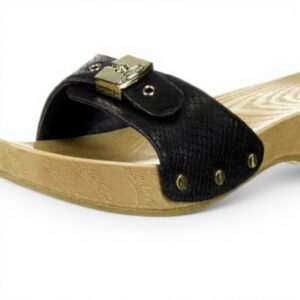

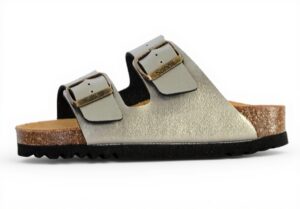
 Dr Scholls Madison Sneaker Womens Black Fashion Trainers