Introduction
I never thought much about my feet until the Alabama vs LSU weekend arrived, bringing with it the usual excitement and chaos that accompanies this storied rivalry. The energy in the air was palpable, with crimson and purple flooding the streets, restaurants overflowing with fans, and the constant hum of anticipation building toward kickoff. Like thousands of others, I had planned my weekend around the game – the gatherings, the walking between venues, the standing during pre-game festivities. What I hadn’t planned for was how my ordinary discomfort with extended standing and walking would threaten to overshadow the entire experience. The Alabama vs LSU matchup represents more than just football in our community; it’s a cultural event that demands physical endurance I wasn’t sure I possessed.
My relationship with foot comfort had always been one of reluctant acceptance. I assumed that some degree of pain was simply part of being on your feet for extended periods, especially during event-packed weekends like this one. I’d developed various coping mechanisms over the years – sitting whenever possible, shifting my weight frequently, wearing what I thought were comfortable shoes. None of these solutions provided real relief, just temporary respites from the growing ache that would inevitably settle into my feet, calves, and lower back as the day progressed. I approached this particular Alabama vs LSU weekend with a sense of dread mixed with excitement, knowing the emotional highs would be accompanied by physical lows.
The irony wasn’t lost on me that while I was preparing to watch elite athletes perform at their peak physical condition, my own physical limitations were becoming increasingly apparent. There’s something humbling about recognizing that the simple act of standing and walking could become the bottleneck in fully enjoying an experience you’ve been anticipating for months. I didn’t realize at the time that this would be so important – that addressing basic foot comfort could fundamentally sift how I experienced not just game days, but daily life. The solution, when it arrived, was so straightforward I almost dismissed it as too simple to be effective.
Real-life Context
The days leading up to the Alabama vs LSU game follow a familiar rhythm in our town. Thursday brings the first wave of visitors, with local businesses extending hours and streets becoming progressively more crowded. By Friday, the energy reaches a fever pitch – parking becomes scarce, restaurant wait times stretch to hours, and every public space fills with fans clad in their team colors. My own schedule typically involves hosting out-of-town friends, attending multiple pre-game events, and navigating the crowded campus area on foot since driving anywhere near the stadium becomes practically impossible on game day.
This particular year, I had committed to a more ambitious schedule than usual. Friday included a morning alumni brunch, an afternoon department open house, an early evening pep rally, and late-night gatherings with friends who only visit for this specific game each year. Saturday would begin with a tailgate starting five hours before kickoff, followed by the game itself, and post-game celebrations regardless of outcome. The math was daunting – approximately fourteen hours of near-constant standing and walking over two days, with minimal opportunities for real rest. Previous years had taught me that by Saturday evening, my feet would be throbbing with a deep, persistent ache that made even the victory celebrations feel bittersweet.
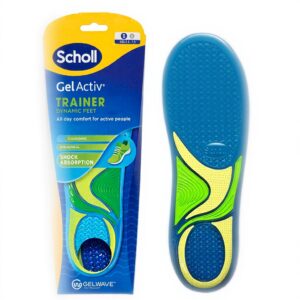
What made this year different was a conversation I had with a friend who works in healthcare. She mentioned how she managed twelve-hour shifts on hard hospital floors without the foot pain that plagued many of her colleagues. When I asked her secret, she described using specially designed insoles that provided both cushioning and support throughout her long days. Her description of the technology – advanced airflow latex foam that kept feet cool and dry while providing superior cushioning – sounded almost too good to be true. But her genuine enthusiasm and the fact that she’d been using them successfully for months made me curious enough to investigate further.
The timing felt fortuitous. With the Alabama vs LSU weekend approaching, I decided to try these insoles as an experiment. I purchased a pair designed for UK sizes 3-11 with the understanding that I could trim them to fit my specific shoe size. The product specifications mentioned they were lightweight yet durable, measuring approximately 17.1 x 11.6 x 2.7 cm and weighing only 100 grams, which meant they wouldn’t add noticeable bulk to my shoes. The description emphasized their suitability for various daily activities including work environments, casual walking, and scenarios where additional comfort and support were desired throughout the day – which perfectly described my upcoming game weekend plans.
Observation
The first test came during Friday’s alumni brunch, held in a historic building with beautiful but unforgiving hardwood floors. Normally, within an hour of standing and mingling, I’d begin feeling the familiar discomfort in my heels and balls of my feet that would gradually intensify throughout the event. This time, something felt different. There was a noticeable softness with each step, as if the floor had somehow become more forgiving. The insoles provided a cushioning effect that absorbed impact in a way I hadn’t experienced before, making the constant shifting and standing feel less taxing on my feet and joints.
As the day progressed through various events and locations, I became increasingly aware of how the insoles functioned in different environments. Walking between venues across campus, I noticed the anti-slip technology kept them securely in place without any adjustment needed – a small but significant detail that prevented the distraction of constantly worrying about whether they were shifting out of position. The airflow latex foam technology genuinely seemed to work as described; despite the unseasonably warm weather and hours of activity, my feet remained noticeably cooler and drier than I would have expected given the circumstances.
By the time Saturday’s tailgate festivities began, I had completely forgotten about the insoles – which in itself was remarkable. Normally, my foot discomfort would become a central focus of my awareness as the day wore on, coloring my experience and limiting my participation in activities. Instead, I found myself fully engaged in conversations, playing lawn games with friends, and enjoying the pre-game atmosphere without the background anxiety about how my feet would feel later. When someone commented on my unusually energetic demeanor, I almost didn’t connect it to the foot comfort I was experiencing.
During the game itself, standing for crucial plays and celebrating touchdowns felt completely natural rather than something I had to endure despite discomfort. The cushioning properties of the soft foam layer seemed to adapt to my foot’s shape, providing personalized comfort that made four quarters of mostly standing feel surprisingly manageable. What struck me most was that I wasn’t actively thinking about my feet at all – they had become, for perhaps the first time during such an event, a non-issue that allowed me to focus entirely on the game and the shared experience with fellow fans.
Reflection
In the days following the Alabama vs LSU game, I found myself reflecting on how something as simple as foot comfort could so dramatically alter an experience I’ve participated in for years. The rivalry weekend had always been one of my favorite annual events, but I realized I had been accepting a significant amount of physical discomfort as just part of the package. This year, without that constant background ache, I was able to be more present, more engaged, and genuinely enjoy the entire weekend rather than just enduring parts of it.
The technology behind the comfort surprised me with its simplicity and effectiveness. The advanced airflow latex foam genuinely kept my feet cool and dry throughout two long days of activity, preventing the dampness and overheating that often contributes to foot fatigue. The soft foam layer provided superior cushioning that made standing on various surfaces – from grass to concrete to stadium flooring – feel consistently comfortable. The anti-slip technology meant I never once had to adjust or reposition the insoles, which eliminated a minor but persistent annoyance I hadn’t even fully acknowledged until it was gone.
I began thinking about the broader implications beyond game days. The product description mentioned these insoles were perfect for individuals who spend long hours on their feet, including retail workers, healthcare professionals, teachers, and anyone seeking enhanced comfort in their daily footwear. I realized that my Alabama vs LSU experience was just one example of how foot comfort could improve quality of life in various contexts. The trim-to-fit design that allowed customization for perfect shoe compatibility meant this solution could work with different types of footwear I use in other aspects of my life – from casual shoes to work shoes to sneakers.
What struck me most profoundly was how I had normalized foot discomfort as an inevitable part of certain activities. We often accept physical limitations as fixed rather than exploring simple solutions that might address them. The insoles hadn’t just provided comfort during a football weekend; they had shifted my perspective on what was possible in terms of managing physical demands during extended periods of standing and walking. This small change created space for me to be more fully present during what should have been enjoyable experiences all along.
Conclusion
The Alabama vs LSU weekend will always stand out in my memory, not just for the game’s outcome or the usual festivities, but for the unexpected lesson in how addressing basic physical comfort can transform an experience. What began as a simple experiment with insoles became a revelation about how much background discomfort I had been accepting as normal. The technology – the airflow latex foam, the soft cushioning layer, the anti-slip design – worked so seamlessly that it became invisible, allowing me to focus entirely on the people and events around me rather than my own physical limitations.
I’ve come to appreciate that comfort isn’t a luxury but a foundation that enables fuller participation in life’s experiences. Whether it’s a major event like the Alabama vs LSU rivalry weekend or ordinary daily activities, having that physical foundation of support makes everything feel more accessible and enjoyable. The insoles designed for UK sizes 3-11 with their trim-to-fit capability have become a simple tool I now use regularly, not as a special solution for big events, but as part of my everyday approach to footwear comfort.
There’s something meaningful about finding solutions that work so well they become unnoticeable – they don’t call attention to themselves but simply enable better experiences. My discovery during that particular Alabama vs LSU weekend wasn’t just about football or insoles; it was about recognizing that sometimes the barriers to our enjoyment are smaller and more solvable than we assume. The lightweight construction that adds comfort without additional bulk, the adaptability to different shoe types, the breathability that keeps feet cool and dry – these features collectively created an experience where my feet were no longer the limiting factor in how I engaged with the world around me.
Looking ahead to future Alabama vs LSU weekends and other demanding events, I feel a sense of freedom I didn’t have before. The knowledge that physical comfort during extended standing and walking is achievable through thoughtful design and technology has changed my approach to planning and participating in these occasions. The rivalry between Alabama and LSU will continue to generate excitement and passion for years to come, and now I have one less thing standing between me and fully enjoying every moment of it.

 Dr Scholls Bunion Cushions Hydrogel Technology Pain Relief