Introduction
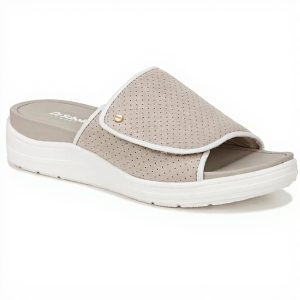
It was during one of those transitional spring afternoos that I first noticed how much my footwear choices were impacting not just my comfort but my environmental consciousness. I had been searching for something that bridged the gap between my desire for sustainable living and the practical need for comfortable, everyday shoes. The brandi carlile | lily jean search led me to discover the Dr. Scholl’s Women’s Time Off Slide Sandal in Oyster Microfiber, though I didn’t realize at the time how significantly this simple footwear choice would reshape my approach to daily comfort and sustainability.
There’s something about the shift from winter boots to lighter footwear that makes you reconsider what you really need from your shoes. For me, it wasn’t just about finding something easy to slip on for quick errands or relaxing at home. I wanted footwear that aligned with my growing commitment to making more environmentally responsible choices without sacrificing the practical comfort I needed for my active days. The journey toward finding the right balance between these priorities turned out to be more meaningful than I initially anticipated.
What struck me first was how the conversation around sustainable fashion had evolved. It wasn’t just about organic cotton or natural fibers anymore. The innovation in recycled materials, particularly in footwear, represented a shift toward practical environmentalism that didn’t require compromising on style or comfort. This discovery process made me more aware of how small choices in our daily wardrobe can contribute to larger environmental goals.
Real-life Context
My typical day involves a mix of working from home, running local errands, and occasionally meeting friends for casual outings. The constant transition between indoor comfort and outdoor practicality meant I needed footwear that could adapt quickly without requiring much thought. Before finding these sandals, I’d often find myself changing shoes multiple times throughout the day, which felt both inefficient and unnecessarily complicated.
The morning routine usually begins with making coffee while checking emails, then perhaps a quick trip to the grocery store or post office. Later, there might be a walk around the neighborhood or time spent gardening in the backyard. These sandals became my go-to choice for all these activities because of their slip-on design, which made them incredibly convenient for those moments when you need to quickly step outside or move between different spaces in your home.
What I appreciated most was how they fit into various aspects of my daily life without feeling out of place. Whether I was wearing summer dresses for a casual lunch with friends or simple shorts and a t-shirt for household chores, the oyster microfiber color complemented different outfits while maintaining a clean, versatile appearance. The flexibility of the construction meant they moved naturally with my feet during all these activities, never feeling restrictive or awkward.
During warmer weather, I found myself reaching for these sandals more frequently than any other footwear. They became my default choice for beach days, where their lightweight nature made them easy to carry and quick to put on after swimming. The convenience of having one pair of shoes that worked for multiple scenarios simplified my decision-making and reduced the clutter in my entryway.
Observation
What first caught my attention was the subtle way these sandals incorporated sustainable design without making it the dominant visual feature. The oyster microfiber upper had a soft texture that felt pleasant against my skin, and learning that it was partially crafted from recycled plastic bottles gave me a different perspective on what sustainable fashion could look like in practice. It wasn’t about dramatic statements but thoughtful integration of eco-friendly principles into functional design.
The cushioning and arch support became particularly noticeable during longer wear. I remember one afternoon when I ended up spending several hours running errands around town, from the grocery store to the pharmacy and then to the library. Normally, my feet would feel tired after such a marathon, but the anti-odor insole technology and supportive design kept me comfortable throughout. The lightweight construction meant I wasn’t carrying extra weight with each step, which made moving between locations feel effortless.
I began to notice small details that contributed to the overall comfort experience. The way the sandals flexed with my foot’s natural movement during walking prevented any rubbing or discomfort that I sometimes experienced with other slip-on styles. The fit felt secure without being tight, which was important for maintaining stability while moving between different surfaces and environments throughout my day.
The versatility of these sandals became increasingly apparent as I wore them in different settings. They worked equally well for quick trips to the mailbox as they did for longer outings to the farmers market or casual gatherings with friends. The oyster color proved surprisingly adaptable, complementing both casual and slightly dressier summer outfits without looking out of place in either context.
Reflection
It took me several weeks of regular wear to fully appreciate how these sandals had changed my perspective on sustainable footwear. I hadn’t realized how much I had compartmentalized environmental choices as separate from daily comfort until I experienced both in a single product. The integration of recycled materials with practical comfort features made me reconsider what I should expect from everyday items.
The anti-odor technology was something I initially didn’t think much about, but it became significant during warmer days when I wore the sandals for extended periods. Not having to worry about freshness throughout the day removed a small but persistent concern I’d had with other casual footwear. This practical benefit, combined with the sustainable materials, represented a thoughtful approach to design that considered both user experience and environmental impact.
I found myself thinking about how small choices like footwear can contribute to broader environmental goals. The use of low-chemical faux leather for the linings and recycled materials for the upper demonstrated that sustainability could be integrated into products without compromising quality or comfort. This realization made me more attentive to other products in my life and how they might incorporate similar principles.
The true-to-size fit meant I didn’t have to go through the process of returns or exchanges that often accompanies online shoe shopping. Having confidence in the sizing allowed me to focus on how the sandals worked within my daily routine rather than worrying about fit issues. This reliability became an important aspect of why they became such a consistent part of my warm-weather wardrobe.
What surprised me most was how these sandals gradually influenced my thinking about other purchasing decisions. The successful combination of sustainability and comfort made me more likely to seek out similar balanced approaches in other products, from clothing to household items. It wasn’t just about the sandals themselves but how they represented a different way of thinking about everyday consumption.
Conclusion
Looking back on these months of wear, what stands out isn’t any single dramatic moment but the consistent comfort and practicality these sandals provided across countless ordinary days. They became my reliable choice for so many different situations because they balanced environmental consciousness with genuine everyday usefulness. The sustainable aspects never felt like a compromise but rather an enhancement of the overall experience.
The journey from initially discovering these sandals to incorporating them into my daily life taught me that sustainable choices don’t have to involve sacrifice or inconvenience. When thoughtfully designed, they can actually improve the user experience while aligning with environmental values. This realization has stayed with me long after the initial novelty of owning eco-friendly footwear wore off.
What began as a simple search for comfortable casual sandals evolved into a more thoughtful consideration of how our everyday choices connect to larger environmental concerns. The Dr. Scholl’s Time Off Slide Sandals demonstrated that practical sustainability is achievable in products we use daily, and that comfort and environmental responsibility can coexist without compromise. This understanding has influenced not just my footwear choices but my approach to consumption more broadly.
The ongoing comfort and reliability of these sandals through months of regular wear have reinforced that initial positive impression. They continue to serve as my go-to choice for casual outings, home relaxation, and everything in between, proving that sometimes the most meaningful discoveries come from addressing simple, everyday needs with thoughtful design principles.