Introduction
I never thought much about what went into my shoes until recently. Like most people, I would grab whatever looked decent and felt comfortable enough in the store, rarely considering the materials or the long-term impact of my choices. That changed when I started paying more attention to the products I use every day, particularly the ones that carry me through my routine. As Braylon Mullins, someone who values both comfort and sustainability, I found myself drawn to footwear that promised more than just basic functionality. The idea of shoes made from recycled materials while still providing proper support intrigued me, especially since I spend so much time on my feet between work, errands, and casual outings. It wasn’t about making a grand statement but rather finding something that aligned with my gradual shift toward more thoughtful consumption.
Real-life Context
My typical day involves a mix of environments that demand versatile footwear. I might start with a morning walk through the neighborhood, then head to the office where I need something presentable yet comfortable enough for moving between meetings and my desk. After work, there are often errands to run or casual social gatherings where I want to look put together without feeling like I’m still in work mode. I’ve tried various sneakers over the years, but many either sacrificed comfort for style or vice versa. Some felt great initially but lost their cushioning quickly, while others maintained their structure but never quite felt broken in. I also became increasingly aware of how much waste we generate through everyday items, including shoes that get discarded when they wear out or no longer serve their purpose. This awareness made me more curious about products designed with longevity and environmental consideration in mind.
The transition between different parts of my day requires shoes that can adapt without drawing attention to themselves. I don’t want to be thinking about my feet when I’m focused on work or enjoying time with friends. Yet I also don’t want to compromise on looking appropriate for different settings. It’s a balancing act that many people face, especially those of us who prefer a streamlined approach to dressing without maintaining multiple specialized pairs for every occasion. The challenge lies in finding footwear that works as hard as we do while respecting our growing environmental concerns.
What stood out to me about these particular sneakers was the combination of sustainable claims with specific comfort technologies. The mention of linings made from recycled plastic bottles caught my attention first, followed by the algae-infused foam insoles. These weren’t just vague environmental claims but specific material innovations that suggested actual thought had gone into the construction. The description of anti-microbial protection also resonated, since odor control becomes important when you’re wearing the same shoes through varied activities and temperatures. These features seemed to address practical concerns I’d encountered with previous footwear while incorporating sustainable elements I was beginning to prioritize.
Observation
When I first started wearing these sneakers, I noticed immediately how lightweight they felt compared to other casual shoes I’ve owned. There was no break-in period where I had to suffer through stiff materials or tight spots—they moved naturally with my foot from the very first wear. The padded heel provided a secure fit that prevented any slipping or rubbing, which has been an issue with some lace-up shoes that either feel too loose or constrictive. I appreciated that they came in wide width options since my feet tend to swell slightly during long days, and having that extra room without sacrificing support made a significant difference in all-day comfort.
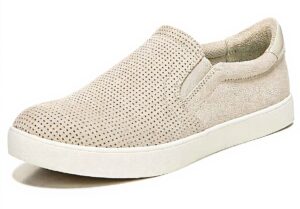
The white smooth color gave them a clean, classic look that worked well with both jeans and more casual trousers. I didn’t feel out of place wearing them to the office, yet they also looked appropriate for weekend activities. The lace-up closure system allowed me to adjust the fit depending on what I was doing—tighter for more active moments, slightly looser when I was mostly sitting. This adaptability became particularly valuable during days that involved both desk work and walking to meetings or lunch spots.
What surprised me most was how the sustainable aspects translated to tangible benefits in daily use. The linings made from recycled plastic bottles felt smooth against my socks without any of the rough seams I’ve experienced in other shoes. The anti-microbial technology actually seemed to work—even after wearing them through warm days or longer walks, they didn’t develop the persistent odors that often plague frequently worn sneakers. This meant I could wear them multiple days in a row without worrying about them becoming unpleasant, which simplified my morning routine.
The algae-infused BLOOM foam insoles provided cushioning that felt different from standard foam—softer initially but with more rebound that prevented that compressed feeling after hours of wear. I found myself less aware of hard surfaces when walking, whether on concrete sidewalks or tile floors. The flexibility of the construction meant my feet didn’t feel restricted during natural movement, which became especially noticeable when navigating stairs or uneven surfaces. These observations accumulated over several weeks of regular wear, revealing nuances I hadn’t anticipated when first considering sustainable footwear.
Reflection
I didn’t realize at the time that this would be so important, but the combination of sustainable materials and practical comfort technologies represents a shift in how everyday products can serve multiple purposes without compromise. For years, I’d operated under the assumption that environmentally conscious choices meant sacrificing some level of performance or convenience. These sneakers challenged that assumption by demonstrating that recycled materials could enhance rather than diminish the wearing experience. The linings made from recycled plastic bottles, for instance, contributed to the smooth interior that prevented irritation, while the algae-infused foam provided cushioning that outperformed conventional materials I’d used before.
This experience made me reconsider what I value in products I use daily. Comfort had always been a priority, but I began to see how sustainability and comfort could be complementary rather than competing qualities. The sneakers’ construction using recycled heel counters and other sustainable elements didn’t feel like concessions made for environmental purposes but rather thoughtful integrations that improved the overall product. This subtle shift in perspective has influenced how I approach other purchasing decisions, looking for products where ethical considerations and personal benefits align rather than viewing them as trade-offs.
The anti-microbial protection became something I appreciated more over time as I noticed I wasn’t constantly rotating between multiple pairs to avoid odor buildup. This seemingly small benefit actually contributed to reducing my overall consumption since I needed fewer pairs to maintain freshness and rotation. The durability of the faux leather construction also suggested these might last longer than previous sneakers I’ve owned, further reducing waste. These reflections emerged gradually through daily use rather than immediate realization, highlighting how sustainable design can reveal its benefits through lived experience rather than theoretical claims.
What struck me most was how unremarkable the sustainable aspects felt in practice—they simply worked as part of a well-designed product rather than standing out as special features requiring compromise. This normalization of sustainability in everyday items feels like meaningful progress, where environmental considerations become integrated into quality products rather than relegated to niche alternatives. The sneakers didn’t shout about their green credentials but quietly demonstrated how recycled materials and innovative technologies could create better daily companions for someone like me who just wants reliable, comfortable footwear.
Conclusion
Living with these sneakers over several months has reinforced that thoughtful design doesn’t require choosing between comfort, style, and sustainability. The specific features—from the recycled materials to the algae-infused foam—work together to create footwear that performs well across the varied demands of daily life without drawing attention to its environmental attributes. They’ve become my default choice for days that involve multiple environments and activities, providing consistent comfort whether I’m walking through the city, sitting at my desk, or running weekend errands.
The experience has shifted my perspective on what sustainable products can offer beyond environmental benefits. When well-executed, they can actually enhance daily experiences through improved performance, durability, and thoughtful details that address common pain points. The anti-microbial technology, for instance, solved a practical problem I’d encountered with other frequently worn shoes, while the sustainable materials contributed to the overall comfort and fit. These intersections between ethical production and personal benefit have made me more attentive to how products are constructed and what values they embody beyond surface-level features.
For anyone considering footwear that balances everyday practicality with environmental consciousness, my experience suggests that the specific combination of recycled materials, advanced comfort technologies, and versatile design can create a wearing experience that feels both familiar and improved. The sneakers don’t represent a radical departure from conventional footwear but rather an evolution that incorporates sustainability as a fundamental aspect of quality rather than an add-on or compromise. This integratin feels like the most promising direction for products we use daily—where better materials and construction benefit both the user and the environment without requiring sacrifice from either.
What began as simple curiosity about sustainable sneakers has developed into a broader appreciation for how product design can thoughtfully address multiple needs simultaneously. The details that initially caught my attention—recycled plastic bottle linings, algae-infused foam, anti-microbial protection—have proven their value through consistent performance rather than novelty. This alignment between stated features and lived experience has made these sneakers a reliable part of my daily routine while subtly influencing how I think about other purchases and the values they represent.